
School of Medicine merges Departments of Biochemistry and Cell Biology
The Department of Biochemistry and the Department of Cell Biology in the Duke University School of Medicine have united to form the Department of Biochemistry and Cell Biology, bringing together two closely aligned scientific communities with a shared commitment to discovery, education, and service.

New experimental approach could help immune system attack both viral infection and cancer
You may have heard of successful cancer immunotherapies known as immune checkpoint inhibitors, which work by releasing a molecular “brake” that restrains the immune system. Duke researchers have now designed an antibody that not only releases an immune system brake but also directs immune cells to their targets.
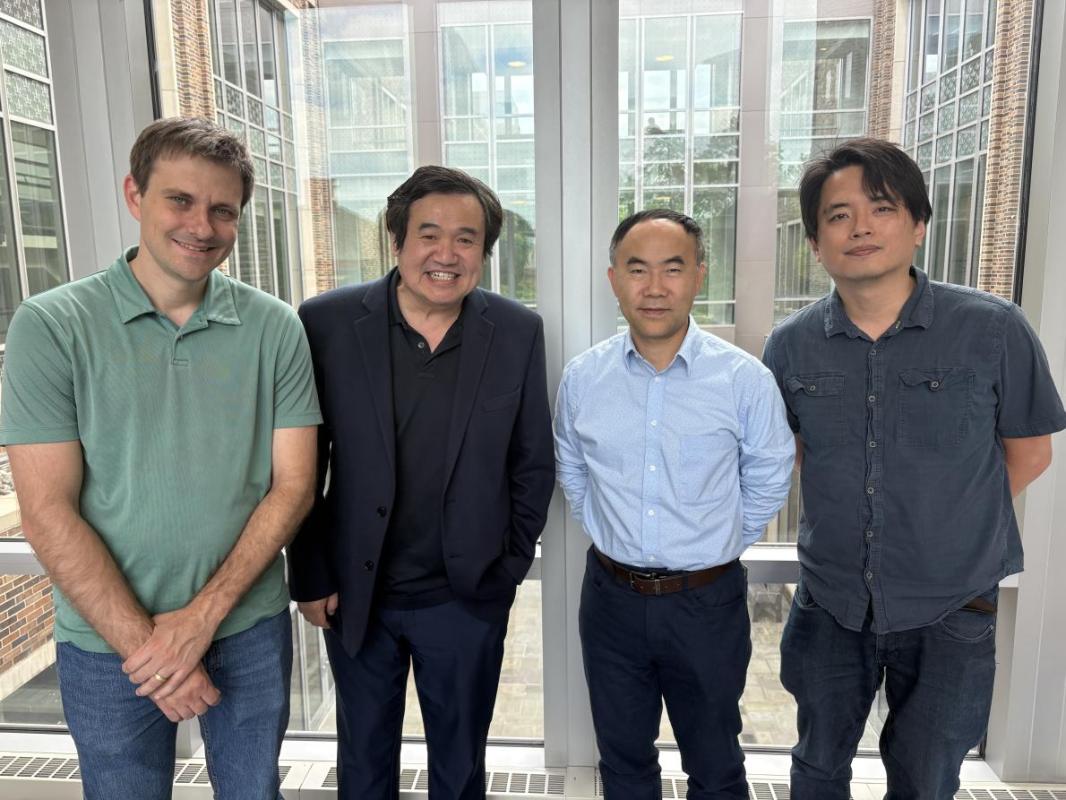
In study results reported in Science Translational Medicine, researchers, led by Mihai Azoitei, PhD, Barton F. Haynes MD, and Joyce Hwang, MD, PhD, demonstrated that an antibody they designed can etarget cancer cells and virus-infected cells that use a molecule called HLA-E to hide from immune attack.
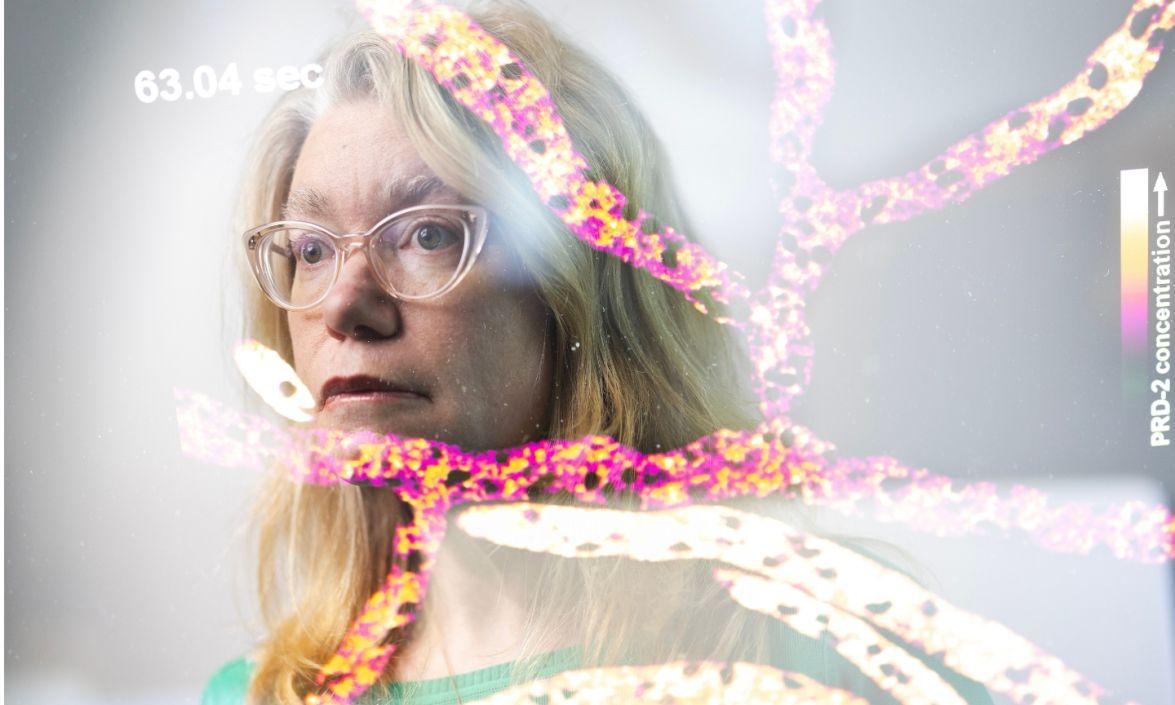
Swimming in Fungi
Department of Biochemistry and Cell Biology researcher Amy Gladfelter, PhD, studies fungal cells to uncover clues about everything from disease and pregnancy to how organisms adapt to stress.

The door to cold
Researchers led by Seok-Yong Lee, PhD, have discovered new details about the molecular mechanisms behind human cold sensations.

Necessary for life
Duke researchers have uncovered the mechanism behind a decades-old mystery in biochemistry, showing how a single enzyme precisely controls one of nature's most intricate molecular rearrangements. The findings challenge long-standing models of how the reaction occurs and introduce a new concept in enzyme catalysis (the process in which enzymes speed up reactions inside living cells).

AI tool redesigns proteins without sacrificing function
The Raygun tool, introduced in a study in Nature, opens new possibilities for engineering proteins with customized sizes and properties, to be used in biological research and ultimately to be developed as targeted medicines.

Gladfelter elected to National Academy of Sciences
Amy S. Gladfelter, PhD, Duke Health Distinguished Professor of Cell Biology and Biomedical Engineering in the Department of Cell Biology, has been elected to the National Academy of Sciences in recognition of her distinguished and continuing achievements in original research.
Hidden enzyme may explain muscle loss tied to cancer treatment
Scientists have identified a biological trigger that helps explain why many people with cancer lose muscle during treatment, a discovery that could eventually lead to drugs to preserve strength and mobility. The research, published April 25 in the Journal of Clinical Investigation, identifies an enzyme called MESH1 as a central driver of cancer cachexia — a condition marked by muscle loss, weakness, and fatigue. It affects up to half of patients with advanced cancer and is linked to poorer survival.
Catching a fungal enzyme open for business
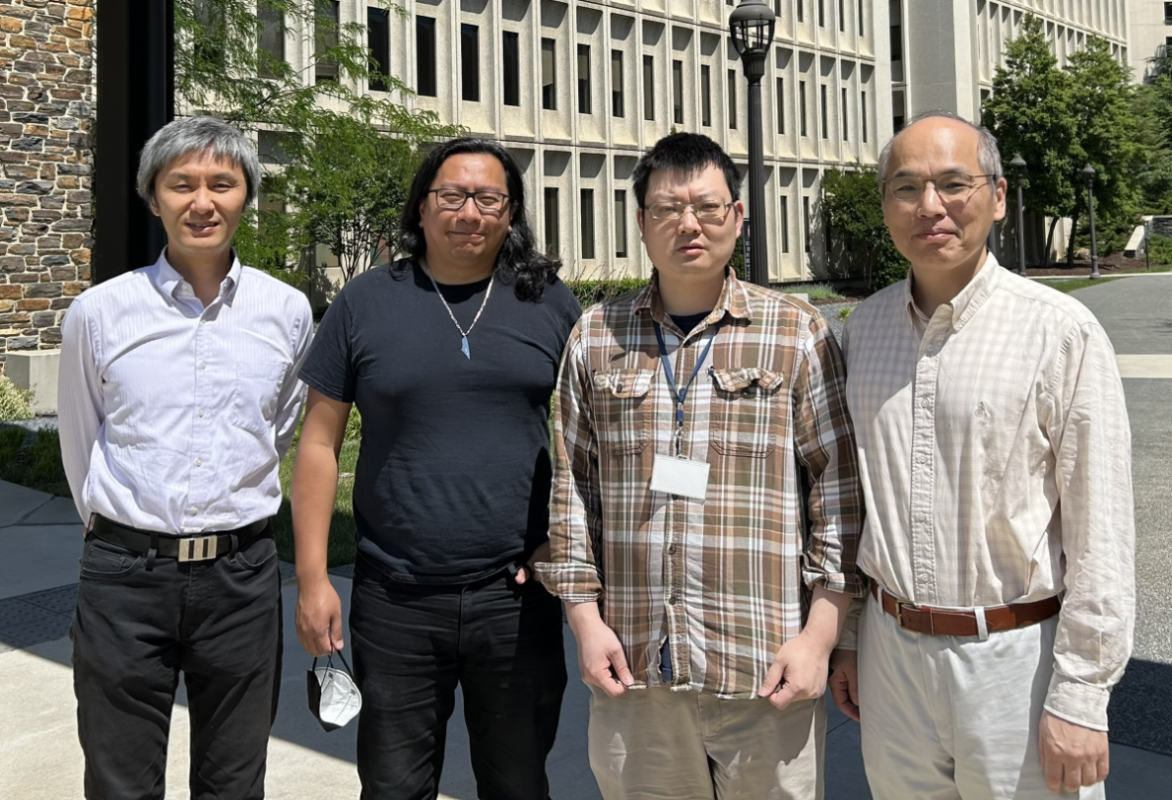
Serious fungal infections are on the rise, and many hospital-acquired cases are becoming harder to treat as fungi become resistant to available medications. One of the most widely used therapies, caspofungin, combats Candida infections that can turn deadly in people with weakened immune systems. Despite the drug’s importance, scientists have never fully understood how it works at the molecular level — or why it sometimes stops working. A new study in Nature from Duke biochemists Seok-Yong Lee, PhD, and Kenichi Yokoyama, PhD, has now filled in those gaps, offering the most detailed picture yet of caspofungin in action. The findings reveal a surprising mechanism and provide critical insights that could help guide the design of next-generation antifungal drugs.

Blanche Capel receives Carl G. Hartman Award
Blanche Capel, PhD, has been selected to receive the Carl G. Hartman Award from the Society for the Study of Reproduction for outstanding contributions to the scientific discipline of reproductive biology.