

Dalal Azzam named 2026 Dennis Washington Graduate Leadership Scholar
The Horatio Alger Foundation of Distinguished Americans, Inc. selected biochemistry PhD candidate Dalal Azzam as a recipient of the 2026 Dennis Washington Graduate Leadership Scholarship program.

Cell biology trainee among recipients of germinator awards
Julia Dziabis, PhD, is among six graduate students and postdoctoral fellows to receive a Germinator Award from the Duke Institute for Brain Sciences.
Jordan Green of the Evans lab tackles the science of aging
The next generation of researchers are driving discoveries focused on ensuring longer lives are healthier, more active, and more vital.
How to build a brain
Researchers at Duke University School of Medicine have uncovered a previously unknown role for astrocytes in shaping the developing brain. By sending different signals to immune cells, these star-shaped cells help decide which neural connections stay and which ones are pruned away.
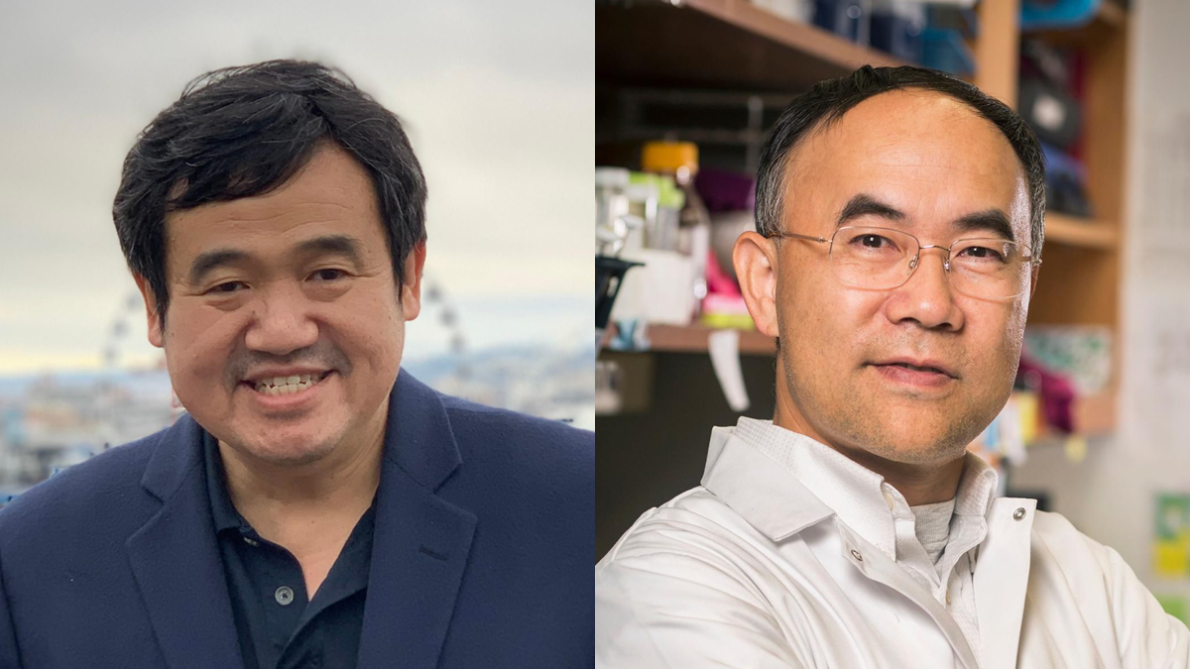
Duke researchers discover cellular ‘release valve’ that could strengthen bones and cartilage
A team of researchers co-led by Jen-Tsan Ashley Chi, MD, PhD, Pei Zhou, PhD, and Matthew J. Hilton, PhD, has uncovered a missing piece in the cell’s chemical toolkit — an enzyme that acts as a crucial “release valve” for sulfation, a process that helps shape cartilage, bone, hormones, and even how some drugs work.
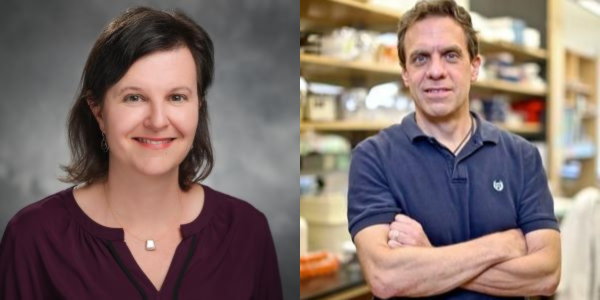
Nicchitta and Silver awarded 2026 distinguished professorships
Two faculty from the Department of Cell Biology have been awarded distinguished professorships by Duke University. Christopher Vincent Nicchitta, PhD, and Debra Lynn Silver, PhD, will be honored at the university’s annual distinguished professorship event on May 18.
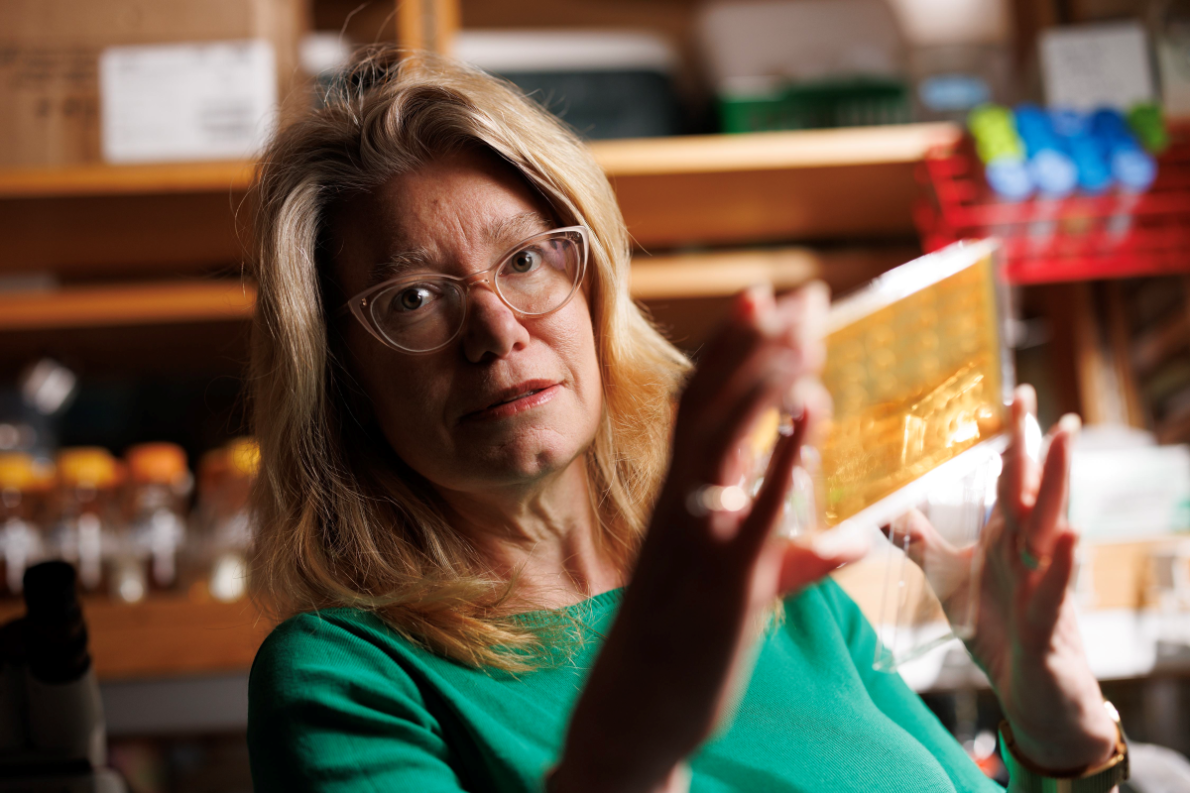
Gladfelter Lab: Inside the mold that breaks the rules of cell biology
Cell biologist Amy Gladfelter, PhD, has been intrigued by a fungus called Ashbya gossypii for 20 years. Made of branching strands, this mold consists of “giant” cells packed with multiple nuclei. In 2006, she showed that none of these nuclei divide at the same time. At the time, this independent division inside a single cell went against everything scientists thought they knew about how cells operate. Now Gladfelter’s team at the Duke University School of Medicine has shown how Ashbya keeps division and growth organized: by using tiny “popup” biochemical compartments made from a protein called Whi3.
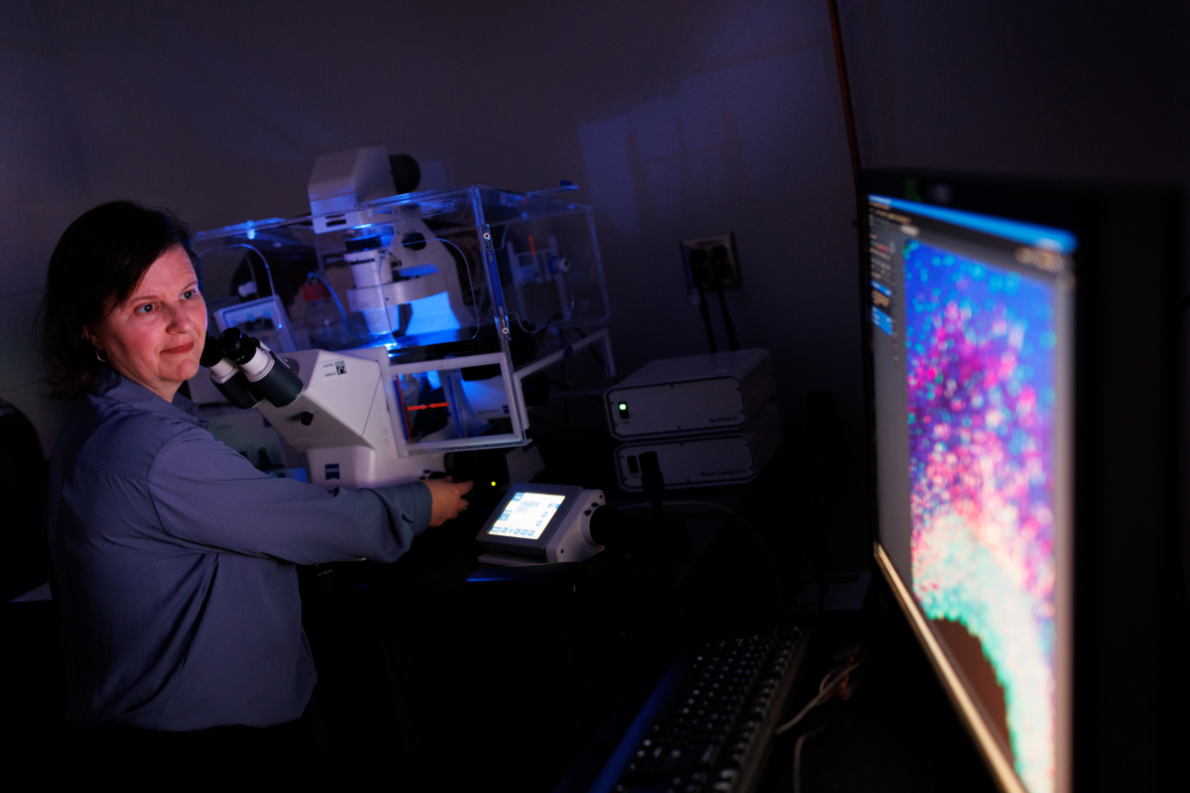
Silver Lab: A tiny DNA switch may explain why human brains grew so big
A short piece of DNA that changed rapidly in humans compared with other mammals
appears to act like a volume knob for brain growth.
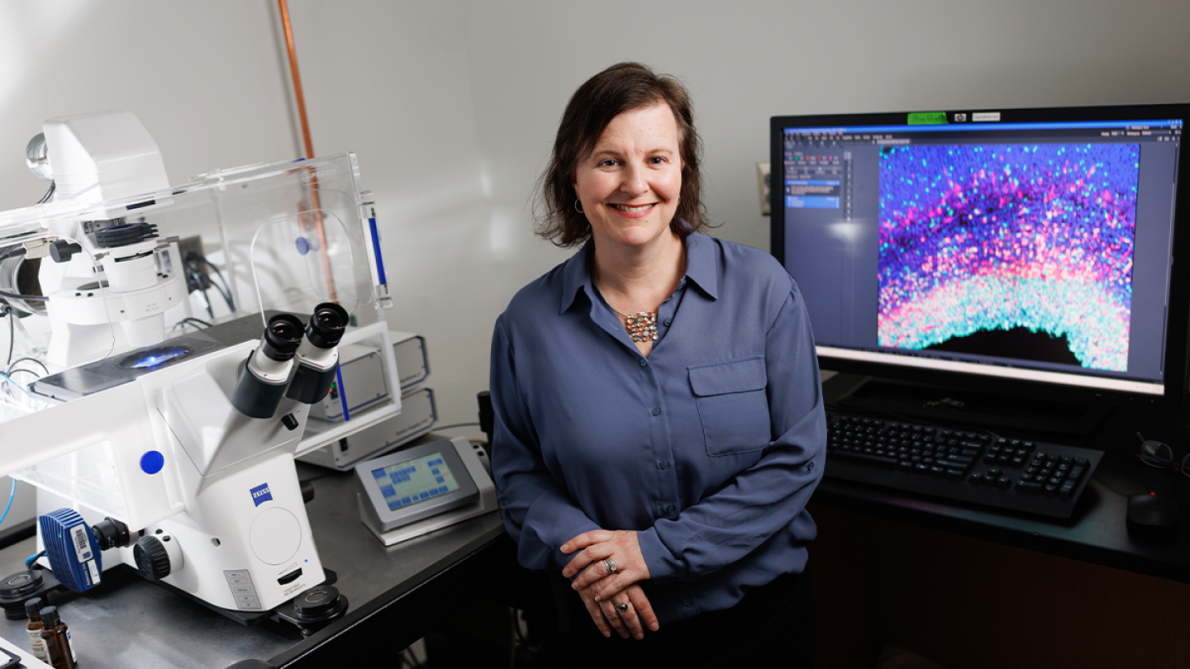
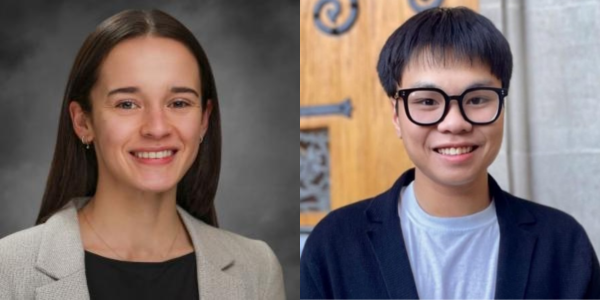
Forker and Nguyen awarded fellowships
Karly Forker and Bach Nguyen, two students in the doctoral program in the Department of Biochemistry have been awarded graduate fellowships from the Duke University Graduate School.