
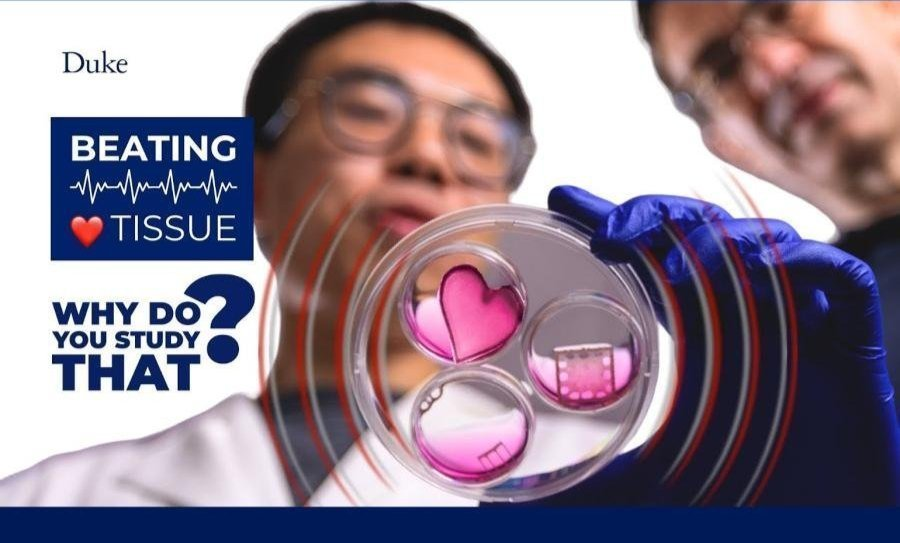
How to heal a broken heart
Biomedical engineer Nenad Bursac, PhD, who also has appointments in the departments of medicine and cell biology, combines engineering with medicine to push innovation in heart care. His lab grows beating human heart tissue to test a new gene therapy that repairs tissue damage from heart attacks.
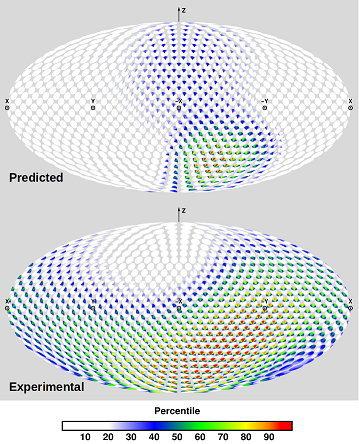
Predicting protein flexibility: When AI falls short, Duke-led team forges ahead
In recent years, artificial intelligence (AI) has transformed structural biology by predicting the shapes of many proteins more accurately than previous computational methods. For decades, scientists have relied on protein structure models to understand how they function in the body. AI and computational approaches fall short when proteins aren’t rigid but shift and bend as they work. That was the main finding from a new study by a team of researchers from Duke and Lawrence Berkeley National Laboratory (LBNL), led by Bruce Donald, PhD, professor of biochemistry and James B. Duke professor of computer science, Terrance Oas, PhD, professor of chemistry and biochemistry at Duke, and Susan Tsutakawa, PhD, biochemist and Department Head, Structural Biology at LBNL.

How a tiny enzyme helps build a big brain
When your brain was forming, an enzyme had to pull off a powerful chemical reaction. One wrong move, and the process could fail — leading to a rare disorder that causes seizures and, ultimately, death. Now, researchers at Duke University School of Medicine have uncovered how this enzyme called MoaA tames one of nature’s most reactive chemical players to make this life-or-death reaction happen.

Why NIH Funding Matters for This Duke Researcher
Jessica Moore, postdoctoral researcher at Duke University School of Medicine, shares her story of how federal funding from the National Institutes of Health (NIH) has been an integral part of her work exploring brain development and disease. This is part of the United for Medical Research My WHY campaign.

New enzymes promise cheaper, cleaner drug production
A pair of newly discovered enzymes could change drug manufacturing, reducing both costs and environmental harm

Could a Gout Drug Point to a New Treatment for Sickle Cell Disease?
Sickle cell disease is a serious genetic condition that affects red blood cells, causing them to become misshapen and sti

Welcome, Incoming Students!
This fall, the Duke Department of Biochemistry welcomes a talented cohort of first-year PhD students. With a variety of backgrounds and research experiences, they bring curiosity, creativity, and drive to the community. Get to know the newest members of our program — and join us in celebrating the start of their Duke journey.

“Junk DNA” Found to Sense Its Environment, May Hold the Key to Disease Treatment
A study in Nature Cell Biology has uncovered a surprising role for what was once considered “junk DNA,” showing that it helps stem cells sense their surroundings and decide what kind of cells to become during early development.

Suzanne Barbour Honored for Sustained Leadership by the American Society for Biochemistry and Molecular Biology
Suzanne Barbour, PhD, professor of cell biology, dean of the graduate school, and vice provost for graduate education at Duke University, has received the Sustained Leadership Award from the American Society for Biochemistry and Molecular Biology (ASBMB). The ASBMB awards recognize members for making significant contributions to biochemistry and molecular biology as well as to the training and support of emerging scientists.
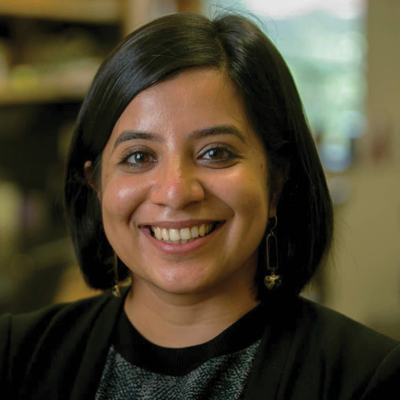
Akankshi Munjal Selected as a 2025 Vallee Scholar for Research into How Organs Take Shape
Akankshi Munjal, PhD, assistant professor of cell biology, has been selected as a 2025 Vallee Scholar to support her research to understand embryonic development.